Summary
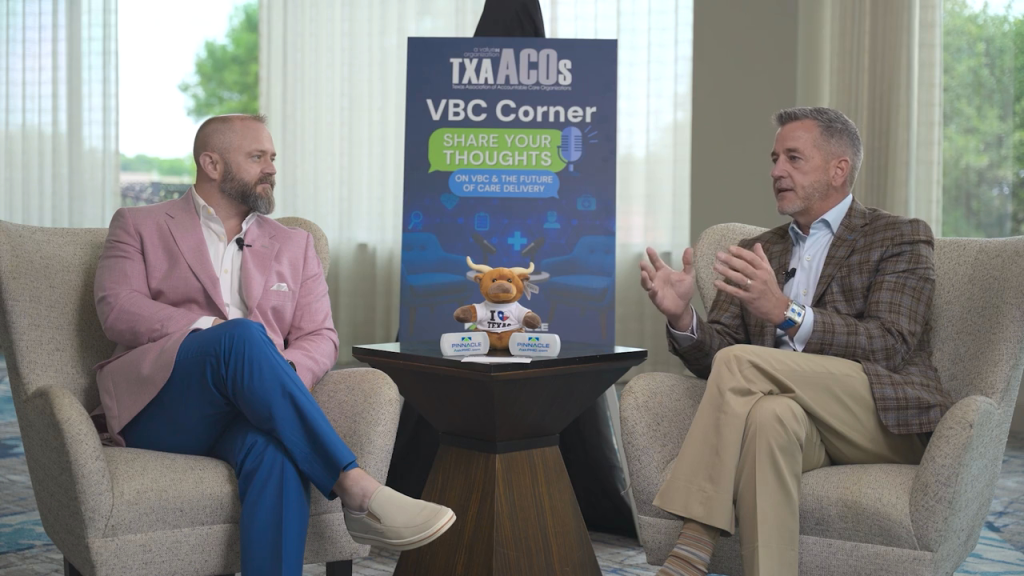
In this episode of the Value-Based Care Corner, John P. Carter sits down with Dr. Paul Shields of Vantage Hemp to discuss the potential role of pharmaceutical-grade CBD within value-based payment models.
Dr. Shields explains how ACO REACH and Enhancing Oncology Model (EOM) participants can provide CBD as a supplemental therapy for patients experiencing conditions such as chronic peripheral neuropathy and generalized anxiety. The discussion explores why consistent dosing, third-party testing, and pharmaceutical-grade production are important when evaluating patient outcomes.
John and Dr. Shields also discuss how improved symptom management could help reduce avoidable emergency department visits, hospital admissions, falls, and medication use. As organizations begin evaluating this opportunity, collecting real-world evidence will be critical to understanding its effect on patient outcomes, healthcare utilization, and total cost of care.
Key Takeaways
- Pharmaceutical-grade CBD provides greater consistency in dosing and product quality than many consumer-grade alternatives.
- CBD may serve as a supplemental therapy for patients whose symptoms remain uncontrolled under existing treatment plans.
- Better symptom management could help reduce avoidable utilization and support deprescribing efforts.
- Real-world evidence will be essential to evaluating the clinical and financial impact of CBD within value-based care.
What You’ll Learn
00:34 – How CBD can be incorporated into ACO REACH and other value-based payment models
01:48 – Why pharmaceutical-grade production and consistent dosing matter
03:24 – How CBD may support patients with chronic peripheral neuropathy and related conditions
05:13 – How ACO REACH and EOM participants can provide CBD to patients and account for the associated costs
07:18 – How improved symptom control may create opportunities to reduce polypharmacy
09:37 – Why implementation and real-world evidence are the next steps for the program