Summary
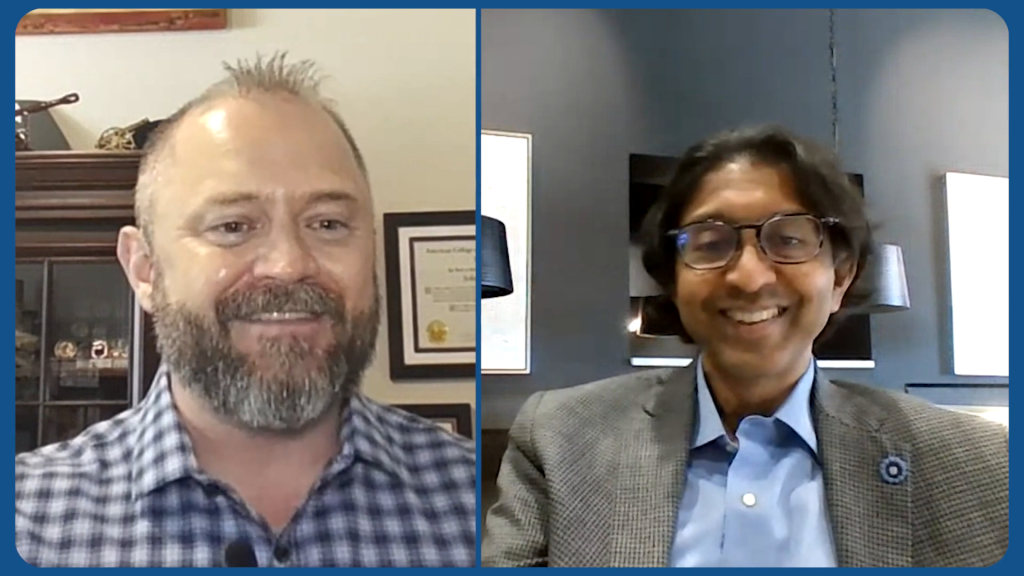
In this episode of the Value-Based Care Corner, John P. Carter sits down with Dr. Sam Choudhury of Nuvita Health to discuss how physician-led lifestyle support can strengthen the connection between patients and their care teams beyond the traditional office visit.
Dr. Choudhury explains how patients are increasingly exploring supplements, GLP-1 medications, peptides, exercise programs, and other health interventions independently. Without ongoing clinical guidance, physicians may have limited visibility into what patients are using, whether they are following recommendations, and how those decisions are affecting their health. Nuvita Health is developing a centralized platform where physicians can provide personalized recommendations, review laboratory results, and maintain a more continuous dialogue with patients.
John and Dr. Choudhury also discuss how this model could support ACOs, CINs, physician groups, and health systems participating in value-based care. By bringing lifestyle management, preventive care, and patient-reported activity into a physician-led framework, risk-bearing organizations may be able to identify opportunities for earlier intervention, improve chronic disease management, and reduce avoidable medication use and procedures. They also explore the importance of collecting clinical, engagement, and behavioral data to evaluate outcomes and determine how this type of support could become a more established component of accountable care.
Key Takeaways
- Patients are increasingly making independent decisions about supplements, GLP-1 medications, peptides, nutrition, and exercise, often without their physicians having complete visibility into those choices.
- A centralized, physician-led platform can extend communication beyond the office visit and give patients clearer, more personalized guidance.
- Ongoing access to recommendations, laboratory results, and progress information can create stronger touchpoints between patients and their care teams.
- Lifestyle and preventive interventions may help risk-bearing organizations address chronic conditions earlier and reduce reliance on medications, procedures, and other higher-cost services.
- ACOs and other value-based care organizations can use this approach as an extension of their chronic care management and population health strategies.
- Clinical outcomes, patient engagement, and behavioral changes will all be important when evaluating the model’s long-term effect on care quality and healthcare spending.
What You’ll Learn
00:55 – Why patients’ growing use of supplements, GLP-1 medications, peptides, and other health interventions requires greater physician involvement
03:40 – How a centralized platform can turn recommendations from an office visit into an ongoing, personalized care plan
08:00 – Why physician-led lifestyle support can strengthen communication beyond a limited office visit
12:45 – Where lifestyle and preventive care may have the greatest impact for ACOs and other risk-bearing organizations
16:40 – How this approach can support broader chronic care management and population health strategies
21:30 – Why clinical outcomes, engagement, and behavior-change measures are all important when evaluating results