Summary
Brain health is often discussed only when something goes wrong, whether memory loss, cognitive decline, or a neurological condition. But what would change if we approached it with the same intention as physical fitness? A more proactive approach begins with understanding how everyday habits influence our ability to think, adapt, connect, and perform throughout our lives.
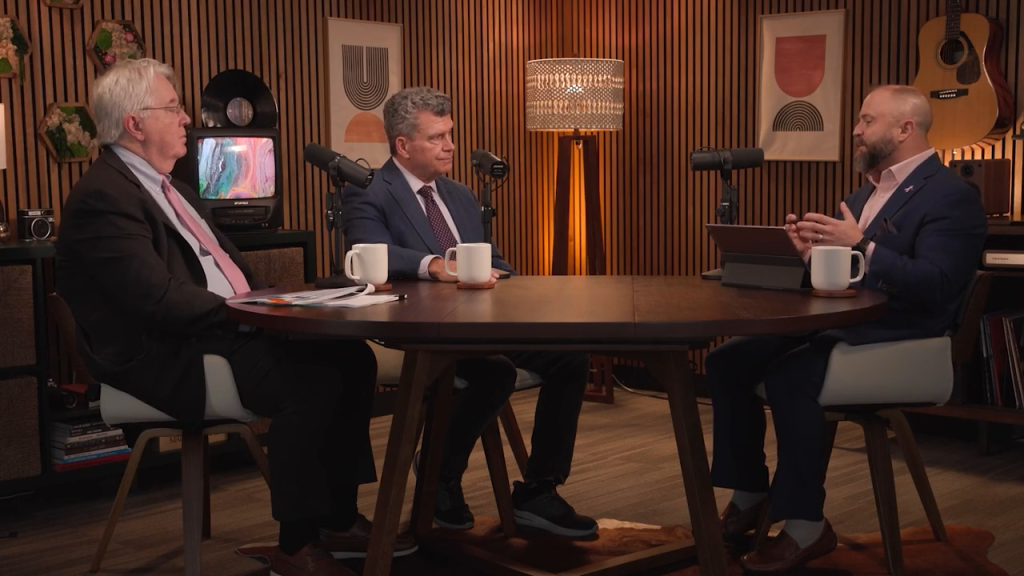
In this episode of Perspectives with Pinnacle, John P. Carter is joined by Stephen White, Chief Operating Officer at the Center for BrainHealth at UT Dallas, and James Ramsey, healthcare consultant and brain health advocate, to explore what proactive brain health looks like in practice. They discuss neuroplasticity, the brain’s capacity to change throughout life, and how the Center’s work connects brain health research with strategies people can apply at home and in the workplace.
The conversation explores the BrainHealth Index and the value of measuring personal progress over time. Steve and Jim also discuss how brain training extends beyond memory exercises to how we process information, solve problems, and manage attention. From reducing multitasking to creating short breaks throughout the day, they share practical approaches alongside the roles of sleep, exercise, nutrition, and social connection.
The discussion also examines what brain health could mean for organizational culture and the healthcare workforce, where constant interruptions and demanding decisions are part of daily operations. Together, they explore why leadership participation matters, how public-private partnerships can help translate research into practice, and what it will take to move from greater awareness to lasting changes in behavior.
Key Takeaways
- Brain health encompasses more than the absence of disease, including how we think, adapt, manage stress, and function in everyday life.
- Neuroplasticity provides a foundation for the discussion of strengthening brain health throughout life.
- The BrainHealth Index is presented as a way to measure brain health and track individual progress rather than compare performance with others.
- Brain training focuses on how people use information and manage attention, with strategies that extend beyond memory games and puzzles.
- Reducing multitasking, protecting focused work time, and taking short breaks are practical habits the guests highlight alongside sleep, exercise, nutrition, and social connection.
- Building a workplace that supports brain health requires leaders to model those habits and incorporate them into how the organization operates.
What You’ll Learn
04:08 – Why brain health extends beyond memory loss and the absence of neurological disease
08:33 – What neuroplasticity means for the conversation about brain health throughout life
15:04 – How the BrainHealth Index measures brain health and emphasizes personal progress
17:45 – How brain training addresses the way we think, process information, and manage attention
22:56 – What a brain break looks like and how small changes can create room for recovery
26:03 – Why leadership participation matters when making brain health part of workplace culture
31:08 – What proactive brain health could mean for clinicians and healthcare leaders
41:03 – Practical takeaways for protecting focus and building better daily habits