Summary
Healthcare has evolved through decades of technological advancements, changing patient expectations, and new approaches to care delivery. Yet many of the systems, processes, and infrastructure that define healthcare today were designed for a different era. As organizations continue investing in modernization, an important question remains: Are we truly transforming healthcare, or simply finding new ways to operate within the same outdated structures?
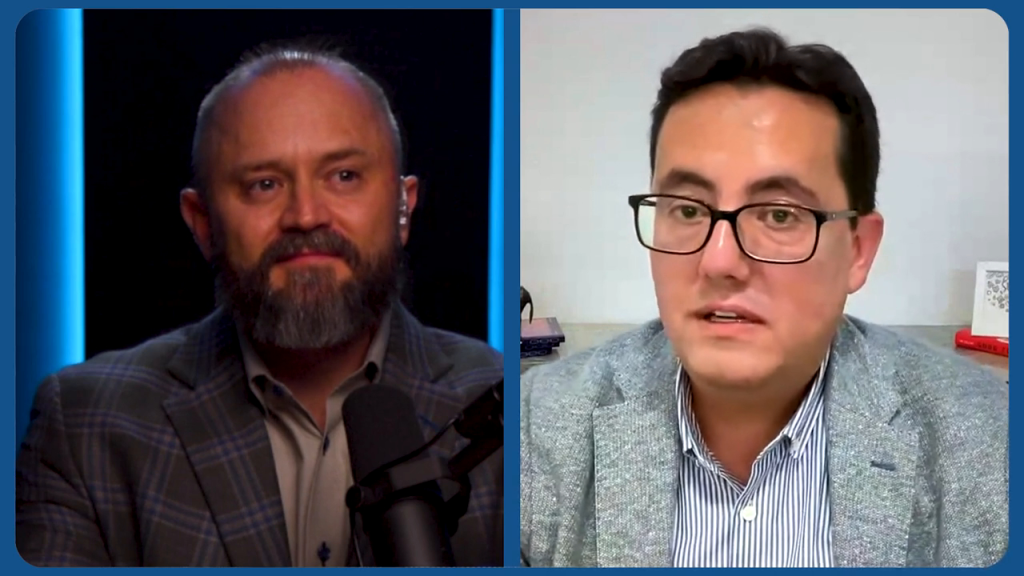
In this episode of Perspectives with Pinnacle, John P. Carter is joined by Dr. Fatih Mehmet Gul, a physician turned healthcare executive with more than 25 years of experience developing, commissioning, and leading hospitals across the Middle East. Drawing on his experience building healthcare facilities from the ground up, Dr. Gul explores what healthcare leaders can learn from rethinking traditional delivery models, designing around patient expectations, and creating more connected care experiences.
The conversation examines the difference between digital transformation and simply digitizing existing processes. Dr. Gul discusses how healthcare organizations can learn from industries such as aviation and banking, where technology has fundamentally changed the customer experience. John and Dr. Gul also explore the importance of mapping the entire patient journey, involving frontline caregivers in technology decisions, and using artificial intelligence to improve operational efficiency without sacrificing the human relationships at the center of healthcare.
The discussion also addresses the leadership and organizational challenges that accompany meaningful transformation. From managing resistance to change and adapting strategies to operational realities to understanding the needs of local communities, Dr. Gul shares lessons from his international experience that healthcare executives can apply within existing organizations. Together, they explore why the future of healthcare requires more than new technology or infrastructure. It requires a willingness to challenge longstanding assumptions, rethink how care is delivered, and preserve the human touch that makes healthcare personal.
Key Takeaways
- True healthcare transformation requires rethinking outdated workflows and delivery models rather than simply transferring existing processes into digital systems.
- Designing healthcare around the entire patient journey, from home to home, can help organizations better align services, infrastructure, and technology with evolving consumer expectations.
- Technology investments should begin with understanding the needs of patients, physicians, nurses, and other stakeholders to avoid creating additional complexity and disconnected systems.
- Artificial intelligence offers opportunities to improve clinical and operational workflows, but its greatest value comes from addressing underlying challenges rather than automating inefficient processes.
- Successful organizational transformation requires effective change management, transparent communication, and an understanding of how new initiatives affect employees across the organization.
- Healthcare leaders should prioritize understanding their communities, remaining accessible to their teams, and preserving meaningful human interaction as care delivery continues to evolve.
What You’ll Learn
04:11 – What healthcare leaders should reconsider when designing care delivery models from the ground up
06:40 – How mapping the entire patient journey can create more connected, patient-centered healthcare experiences
15:56 – Why true digital transformation requires more than automating existing workflows
21:28 – How artificial intelligence can improve healthcare operations while preserving human interaction
24:14 – Why organizational culture and change management are critical to successful healthcare transformation