Summary
The ability to call for help is one of the most basic expectations in any care setting. Yet for patients and residents with limited mobility, progressive neurological conditions, spinal cord injuries, or other physical limitations, traditional nurse call systems can leave that access out of reach. The presence of a call button does not always translate into meaningful access to care.
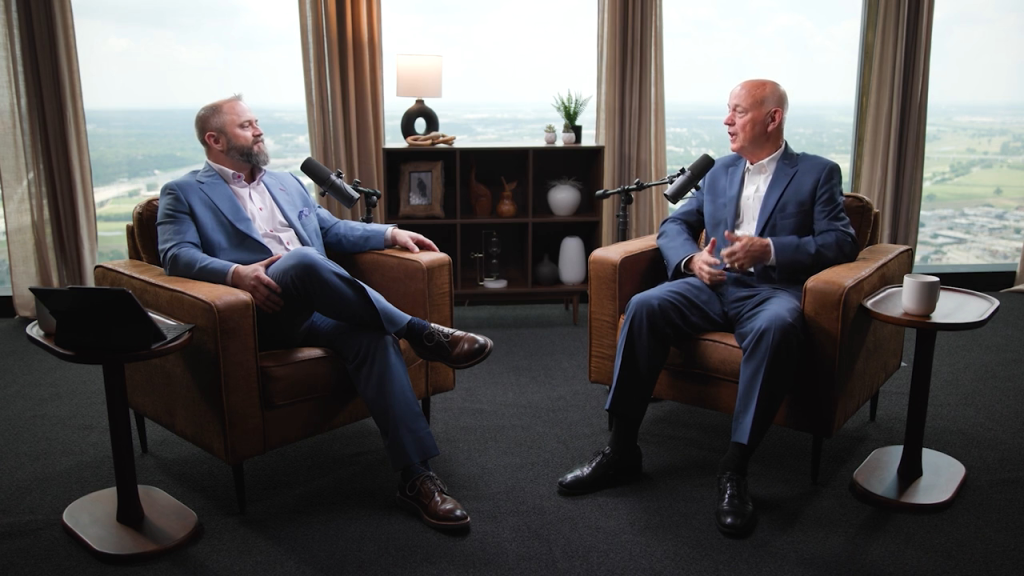
In this episode of Perspectives with Pinnacle, John P. Carter sits down with Dr. Bob Kaiser, founder of Will-Call, to explore how a deeply personal family experience revealed a much broader challenge across healthcare.
Bob shares how early prototypes evolved into a voice-activated solution designed to work within existing nurse call infrastructure without requiring Wi-Fi, Bluetooth, or changes to staff workflows. He also discusses how feedback from patients, families, and caregivers has shaped the solution and expanded its potential across hospitals, skilled nursing facilities, assisted living, hospice, and home care.
The conversation looks beyond the device itself to examine the larger implications for patient safety, dignity, compliance, risk management, caregiver confidence, and accessible care. At its core, this is a discussion about rethinking a fundamental part of care delivery so more people can independently ask for help when they need it.
Key Takeaways
- Traditional call buttons can leave people with limited mobility, vision loss, neurological conditions, or other physical limitations unable to independently request help.
- Accessible nurse call systems affect more than emergency response. They also influence dignity, daily care, compliance, risk management, and trust.
- New technology is easier to adopt when it works with existing infrastructure and does not disrupt staff workflows.
- Offline voice activation reduces network and security concerns, while audible confirmation lets users know their call went through.
- Hands-free calling can support facility-based care and home caregiving, including aging in place, assisted living, and hospice.
What You’ll Learn
02:58 – How Will’s medical journey exposed a gap in traditional nurse call systems and inspired Bob to create Will-Call
07:13 – How the first voice-activated prototypes developed into a reliable solution that operates without Wi-Fi or the internet
10:10 – Why having a nurse call button does not always mean a patient can access care
14:31 – How Will-Call connects to existing systems and responds when someone says, “I need help”
18:11 – How real-world feedback from people with different physical limitations continues to shape the device
22:02 – How the technology can support aging in place, family caregivers, hospice, and assisted living