Summary
Fraud, waste, and abuse cost the Medicare program billions each year, but what happens when the organizations accountable for managing costs have little authority to stop fraudulent claims?
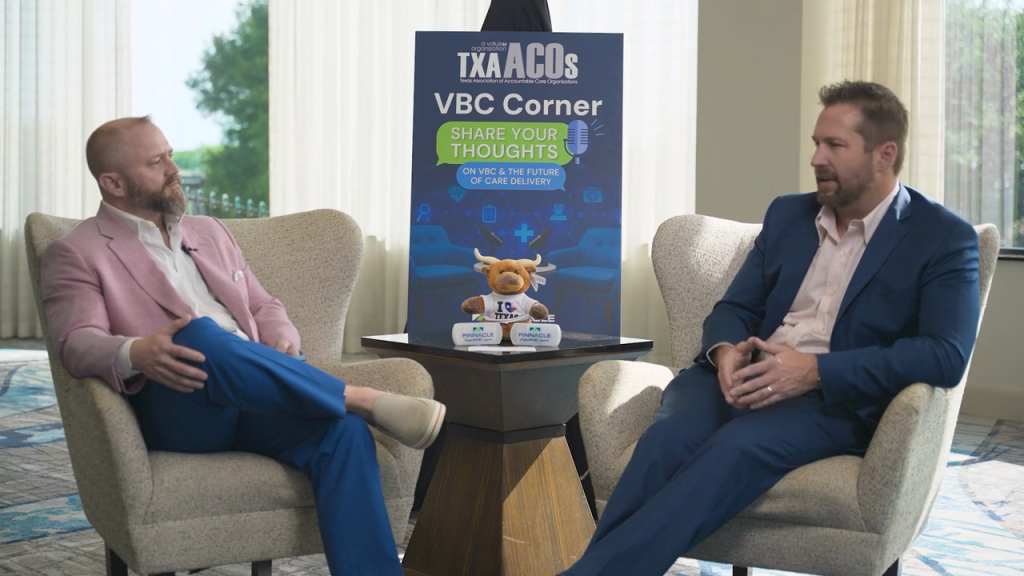
In this episode of Perspectives with Pinnacle, John P. Carter sits down with David Klebonis, President and COO of Palm Beach ACO, to discuss his recent testimony before the United States House of Representatives Committee on Ways and Means Hearing on “Protecting Patients and Taxpayers: Cracking Down on Medicare Fraud”.
Drawing from Palm Beach ACO’s experience uncovering fraudulent claims, David explains how physicians identified suspicious billing activity, the financial impact those claims had on shared savings, and why ACOs should play a larger role in preventing fraud before payments are made.
The conversation explores the growing need for accountability, transparency, and stronger collaboration between ACOs, regulators, and Medicare Administrative Contractors (MACs) contractors to protect patients, providers, and taxpayer dollars.
Key Takeaways
- ACOs are often financially impacted by fraudulent claims they cannot prevent.
- Physicians play a critical role in identifying suspicious billing activity.
- Fraud affects both provider compensation and patient trust.
- The current “pay and chase” approach leaves significant gaps in fraud prevention.
- Value-based care organizations can help strengthen Medicare program integrity through better data sharing and oversight.
What You’ll Learn
02:00 – Why David testified before Congress and what it means to “deputize” ACOs in the fight against fraud
02:39 – How physicians uncovered fraudulent claims through claims data analysis
03:12 – The scale of the fraud identified by Palm Beach ACO and its impact on shared savings
05:03 – A real-world example of DME fraud and the investigation that followed
06:01 – How fraudulent claims affected physicians and Medicare beneficiaries
08:50 – What deputizing ACOs mean in action
11:10 – The limitations of the current “pay and chase” model and potential solutions
12:52 – If done correctly what does the next decade look like for value-based care